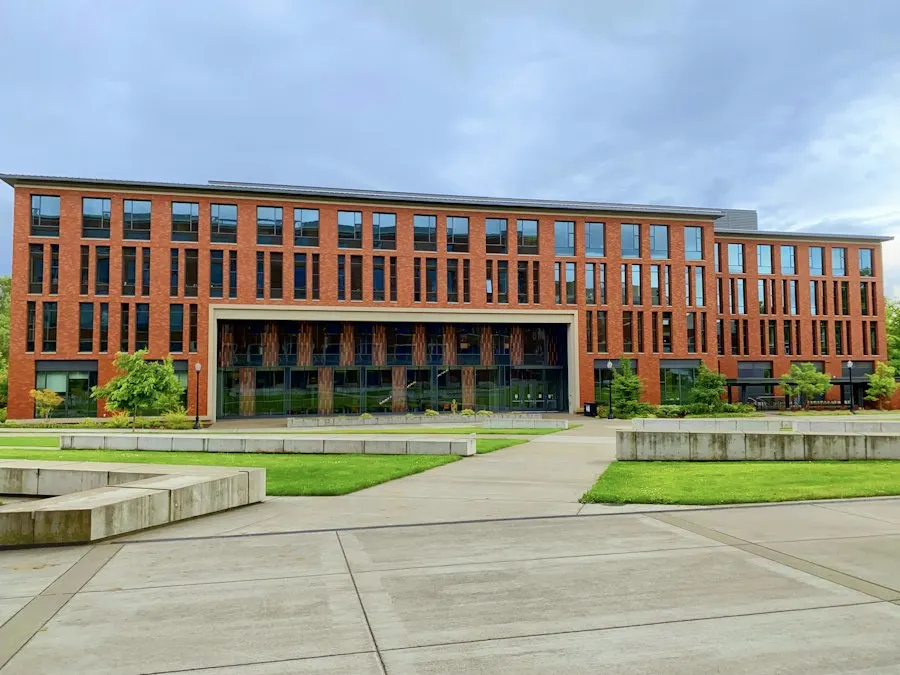
Prepared environment
Calm, beautiful rooms with materials arranged to invite choice, concentration and care.
Teaching and learning
Five programmes, one philosophy. From the first weeks in creche to the final year of Junior High, children are challenged at the right level and supported to take ownership of their learning.
The Montessori difference
Montessori education is built on decades of observation of how children actually develop. These five principles shape our classrooms every day.
Calm, beautiful rooms with materials arranged to invite choice, concentration and care.
Children choose their work, while clear ground rules protect safety and respect.
Older children mentor younger ones; younger children aspire and learn by watching.
Concrete materials make abstract ideas visible, from number bonds to the parts of a sentence.
Guides watch closely and prepare the next lesson around what each child is ready to learn.
Our programmes
Children may join at any level, subject to space and a readiness conversation. We will always recommend the placement that best supports the child.
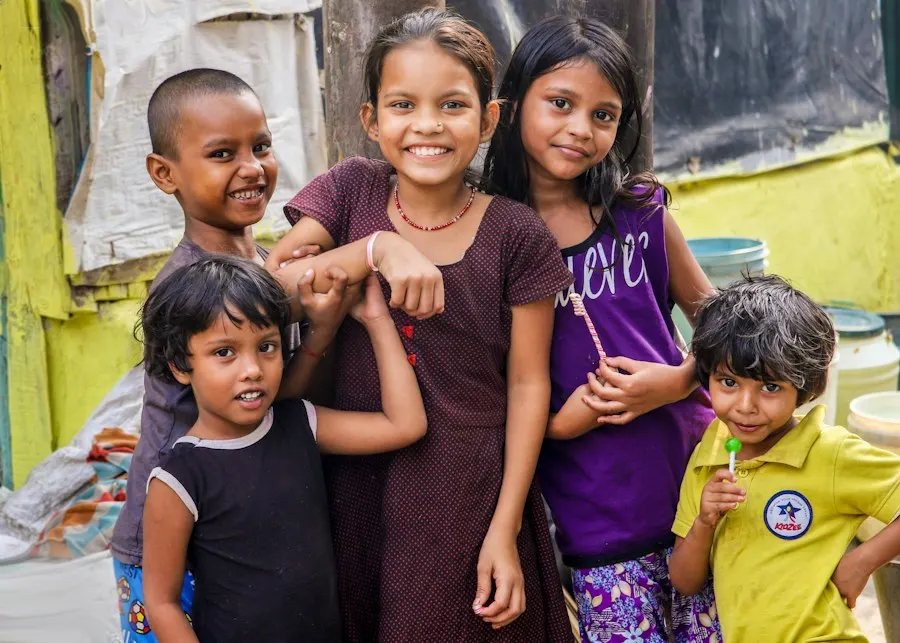
 01
18 months – 3 years
A gentle, home-like beginning for our youngest learners. Days are shaped by consistent routines, warm care and the freedom to move, touch, explore and be understood.
Our creche environment is calm and safe, with low shelves, natural materials and a small group of familiar adults. Language is rich, movement is encouraged and independence is celebrated in small, everyday ways.
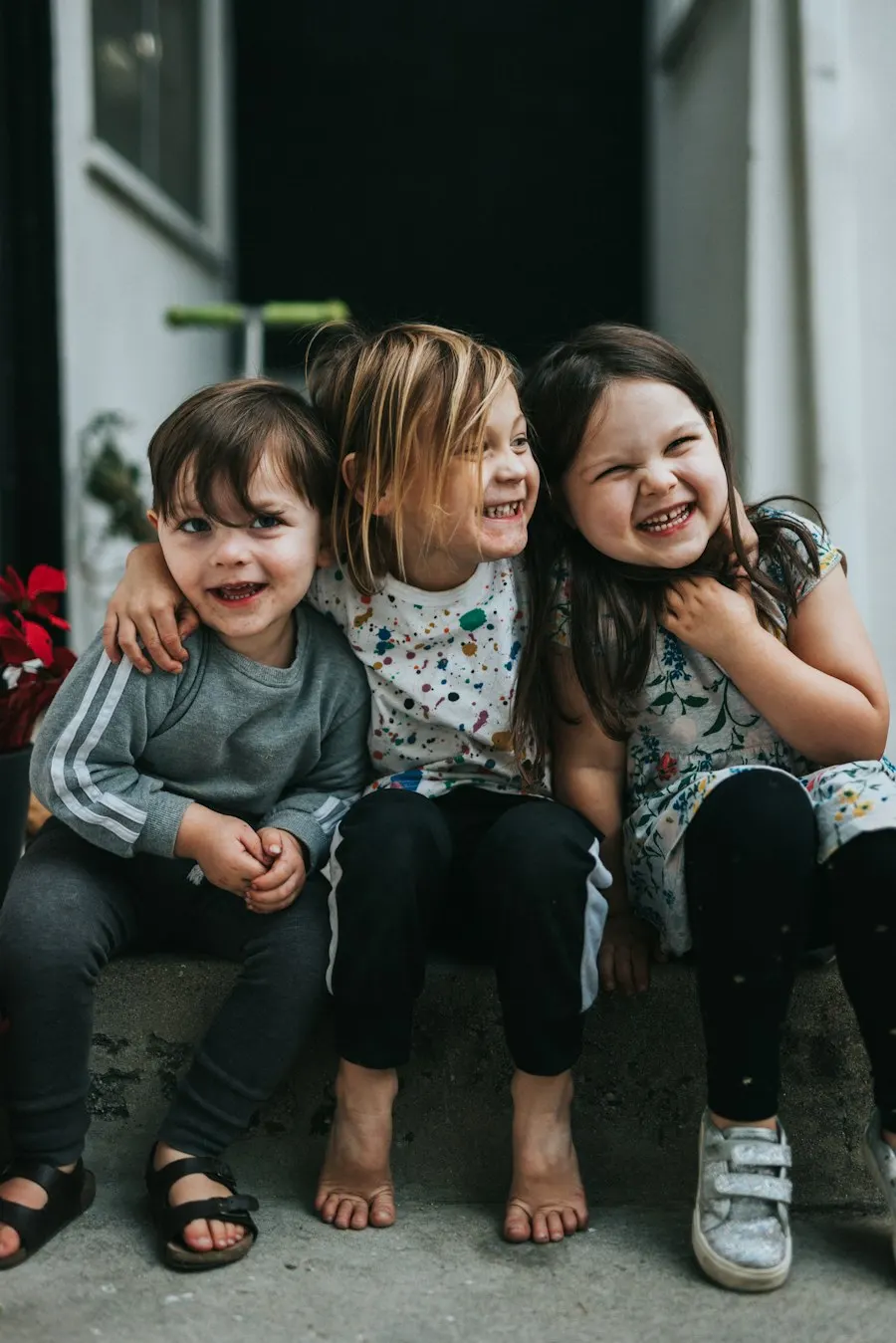
 02
3 – 5 years
Independence takes root. Children pour, sort, button, build and repeat — mastering the everyday skills that build confidence, coordination and concentration.
Language blossoms through conversation, stories and sandpaper letters. Sensorial materials sharpen the senses while early mathematics begins with counting, sorting and pattern. Art, music and outdoor play are woven through every week.
 03
5 – 6 years
The final year of our Children’s House. This is where the foundations laid in nursery come together — and where many children discover the joy of reading, writing and mathematical thinking.
Children work with moveable alphabets, number rods and golden beads. They create stories, conduct simple experiments, care for the classroom and prepare for the greater independence of primary.
 04
6 – 12 years
Curiosity becomes research. In the primary years, children move from concrete materials to abstract thinking, asking bigger questions and following their interests across subjects.
Lessons are often delivered in small groups, then explored independently or collaboratively. Children keep journals, present projects and learn to plan their week. The Ghanaian curriculum is fully covered, enriched by Montessori’s integrated approach to culture, science and the arts.
 05
12 – 15 years
Independent thinkers, prepared for what comes next. Our JHS combines rigorous academic preparation with the self-management, curiosity and confidence that senior high school demands.
Students follow the Ghana Education Service curriculum for BECE, taught by subject specialists in small classes. They also complete research projects, take on leadership roles and receive structured guidance on study habits, wellbeing and future pathways.
Curriculum areas
Subjects are not silos. A study of rivers becomes reading, mapping, science and art — connected learning that stays with children.
Reading, writing, speaking and listening, from phonics to composition and literature.
Number, geometry, measurement and problem solving with deep conceptual understanding.
Hands-on investigation of the living world, matter, energy and the human body.
Ghana, Africa and the wider world — people, places, history and citizenship.
Drawing, painting, craft, drama and design, with regular opportunities to exhibit.
Singing, rhythm, percussion and performance, building confidence and collaboration.
Digital literacy, typing, safe internet use and introductory coding and robotics.
Movement, team games, health, emotional literacy and the skills of getting along.
The daily rhythm
Greetings, breakfast and a gentle transition into the classroom.
Uninterrupted learning time with individual and small-group lessons.
Outdoor play, gardening, sport and a shared, nutritious meal.
Projects, clubs, creative arts and reflection before pick-up or aftercare.
Beyond academics
Clubs, sport and the arts are not extras at Williams. They are part of a complete childhood.
Choir, percussion, drama and an annual end-of-year showcase.
Football, athletics, swimming and daily outdoor play.
Painting, clay, craft and design in our dedicated art studio.
Problem solving, logic and beginner robotics for primary and JHS.
Growing food, composting and caring for our outdoor spaces.
Student council, peer mentoring and community projects.
Assessment and reporting
We assess to understand, not to rank. Children receive regular feedback, and families receive clear, honest reporting throughout the year.
Formal assessments sit alongside observation, portfolios and student-led conferences. Report cards are shared each term, with parent-teacher meetings and an open invitation to talk with your child’s guide whenever you need to.
Common questions
Yes. Our classrooms use authentic Montessori materials, mixed-age groupings and trained guides. We also align our programme with the Ghanaian national curriculum so children are fully prepared for national assessments and senior high school.
Often, yes. Mid-term entry depends on space and readiness. We will invite your child for a short visit and a conversation with the relevant guide before confirming a start date.
Our JHS follows the GES curriculum and prepares students thoroughly for the BECE. Small classes, study skills and one-to-one mentoring help students move confidently into senior high school.
We welcome every conversation about a child’s needs. Where we can provide the right support within our setting, we will. Where specialist support is required, we will be honest with you and help you find it.
English is the language of instruction. Ghanaian language study is part of the curriculum, and French is offered from the upper primary years.
Ready to learn more?
Book a tour, meet a guide and ask the questions that matter to your family. We would love to show you around.